- Front Page
- Politica
- Local
- Internacional
- Deporte
- Analisis
- Investiga
- Live
- LenguahePapiamento

- Parlamento a aproba mocion unanimemente pa pidi Hulanda claridad riba anotacionnan di Beatrix tocante Betico Croes
- ATIA ta lamenta e proceso di dialogo tocante salario minimo y e declaracionnan publico di e Prome Minister
- Eman ta nenga impasse den coalicion y ta insisti riba aumento di salario minimo
- Presidente di FIFA na Aruba pa inaugura proyecto di veld di futbol
- Fernandes Pedra a pidi cambio di huez: caso di dos morto atrobe suspendi
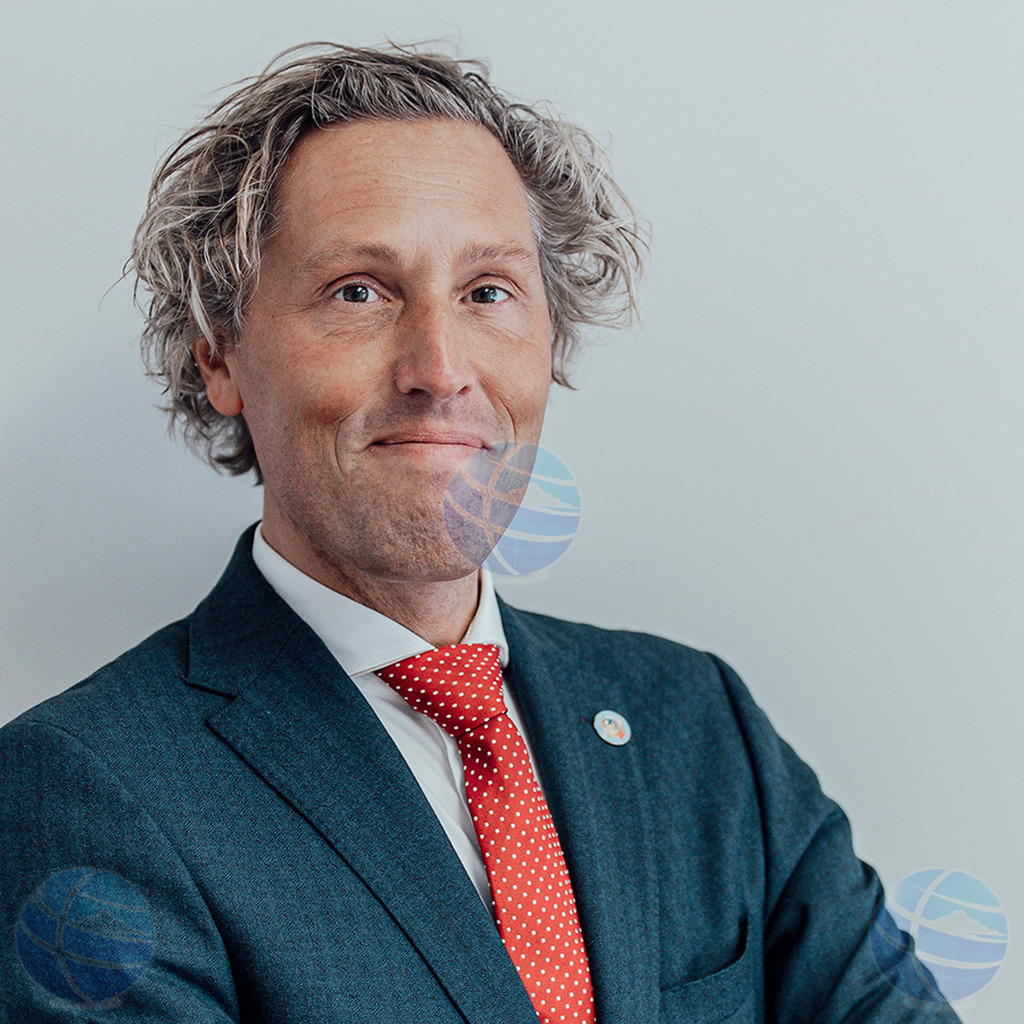
Vroegop challenges the Netherlands: “I have evidence of the meeting where the threat was made”
ORANJESTAD — Horacio Oduber Hospital director Jacco Vroegop is standing by his allegation that the Netherlands pressured Aruba and Sint Maarten during the COVID-19 pandemic, including a warning that financial and material support could be suspended if the islands failed to increase their vaccination rates. In a new statement provided directly to Noticiacla, following the Dutch government's official rejection of his allegations, Vroegop has presented more specific information about the meeting during which he claims the threat was made.
EVIDENCE
According to Vroegop, the meeting took place on December 17, 2021, at approximately 7:50 p.m., via the Webex platform, during consultations involving the four countries of the Kingdom of the Netherlands. Vroegop also claims to possess a list of attendees and photographic evidence of their participation, which he is willing to provide for verification.
THE NETHERLANDS REJECTED THE ALLEGATION
Vroegop's response follows the official answers submitted by Dutch Minister Mirjam Sterk to the House of Representatives on October 27, in response to five parliamentary questions raised by Pepijn van Houwelingen of the FvD party. The questions followed Noticiacla's September 5 publication of Vroegop's original statement, in which he accused former Dutch State Secretary Paul Blokhuis of linking continued financial support to COVID-19 vaccination rates in Aruba and Sint Maarten. In her answers, Sterk rejected the allegation, stating that the Dutch government did not recognize the account presented by Vroegop.
The minister emphasized that cooperation with Aruba during the pandemic had been constructive, both with government authorities and healthcare professionals. Vroegop, however, argues that the two are not mutually exclusive. "Constructive cooperation does not rule out the exercise of political or diplomatic pressure," the director stated. In other words, according to Vroegop, constructive cooperation does not exclude the possibility that a government was simultaneously exerting political or diplomatic pressure.
“SOMETHING IN RETURN FOR SOMETHING”
Vroegop maintains that during the meeting, the Dutch Ministry of Health, Welfare and Sport (VWS) pressured Aruba and Sint Maarten to introduce measures restricting personal freedoms and to increase vaccination rates. According to him, it was indicated during the discussion that Dutch liquidity support and material assistance could come under pressure or even be discontinued. "The clear message was that something was expected in return for something," Vroegop stated, referring to what he believes was being communicated. The Dutch expression voor wat, hoort wat means that receiving something comes with an expectation of giving something in return. The director acknowledges that verbal statements of this nature are not always included in official documents. "The fact that something is not recorded in official minutes does not mean it did not happen," he emphasized. According to Vroegop, the absence of a statement from the minutes does not automatically prove that it was never made.
EXACT DATE AND TIME OF THE MEETING
An important aspect of Vroegop's latest response is that he directly addresses Minister Sterk's question about which meeting he was referring to. The Dutch minister previously indicated that she had been unable to identify the specific meeting. Vroegop has now provided the following details: December 17, 2021, during a four-country consultation via Webex, at approximately 7:50 p.m. This identifies a specific occasion that Dutch authorities can verify against their records. But the director goes further.
“I HAVE PHOTOGRAPHIC EVIDENCE”
According to Vroegop, Minister Sterk indicated that she could not identify all meeting participants, referring, among other things, to personal data protection regulations. Vroegop responds that he possesses a list of participants and photographic evidence of their attendance. "However, I have a list of those present, including photographic evidence of their participation in the meeting," he stated. He added that he is willing to make this information available for verification but has chosen not to release the photograph publicly for now out of respect for the privacy of those involved. This statement is significant because it opens the possibility of verifying not only whether the meeting took place, but also who may have witnessed the exchange described by Vroegop. However, the existence of a photograph showing the participants does not automatically establish the content of the statements attributed to Blokhuis. Additional evidence or testimony from other attendees would be needed to establish that.
MINUTES EXIST BUT DO NOT MENTION THE THREAT
Vroegop reveals another important detail: according to him, the documents submitted by the Dutch ministry to the House of Representatives include a report of the December 17, 2021, meeting. However, he says the document contains neither a list of participants nor the alleged statement by Blokhuis. For Vroegop, this demonstrates that the report does not necessarily reflect everything that was said during the meeting. He therefore considers it necessary that any investigation should not be limited to written documents.
CALLS FOR WITNESSES TO BE QUESTIONED
The hospital director is calling on everyone who attended the meeting to speak openly about what was actually said. According to Vroegop, officials and authorities who witnessed possible pressure on government decision-making during the pandemic have a responsibility to help establish what happened. He acknowledges that some individuals may fear personal or professional consequences if they speak out. Nevertheless, he maintains that participants can confirm or contradict his account, if necessary confidentially, anonymously or under oath in an appropriate legal procedure. "Those present can confirm or contradict the statements in question," Vroegop emphasized. His appeal focuses attention on the possibility of obtaining firsthand testimony from those who actually attended the meeting.
THE CONTROVERSY CONTINUES
With Vroegop's latest response, the matter is no longer limited to a general allegation against the Netherlands. The director has now identified a specific meeting, date, time, platform and potential witnesses. This information could facilitate a more thorough verification of what actually happened. However, there has still been no independent confirmation that Blokhuis made the alleged threat as described by Vroegop. The Dutch government maintains that it does not recognize the allegation. The next question is whether the Dutch Ministry of Health will verify the additional information, whether the meeting participants will be approached and whether Vroegop's account can be confirmed or contradicted by other witnesses. Vroegop concluded his response with a statement summarizing his position: "Ultimately, it is not about what is or is not written in the minutes, but about what was actually said and done." For the hospital director, the fundamental question is not simply what was recorded on paper, but what was actually said and done during the crisis.
With the additional information Vroegop has now presented, the central question remains: Will the Netherlands limit its response to an official denial, or will it verify the meeting and hear from those who attended?