- Front Page
- Politica
- Local
- Internacional
- Deporte
- Analisis
- Investiga
- Live
- LenguahePapiamento

- Parlamento a aproba mocion unanimemente pa pidi Hulanda claridad riba anotacionnan di Beatrix tocante Betico Croes
- ATIA ta lamenta e proceso di dialogo tocante salario minimo y e declaracionnan publico di e Prome Minister
- Eman ta nenga impasse den coalicion y ta insisti riba aumento di salario minimo
- Presidente di FIFA na Aruba pa inaugura proyecto di veld di futbol
- Fernandes Pedra a pidi cambio di huez: caso di dos morto atrobe suspendi
Parliament calls last-minute meeting amid tensions over minimum wage
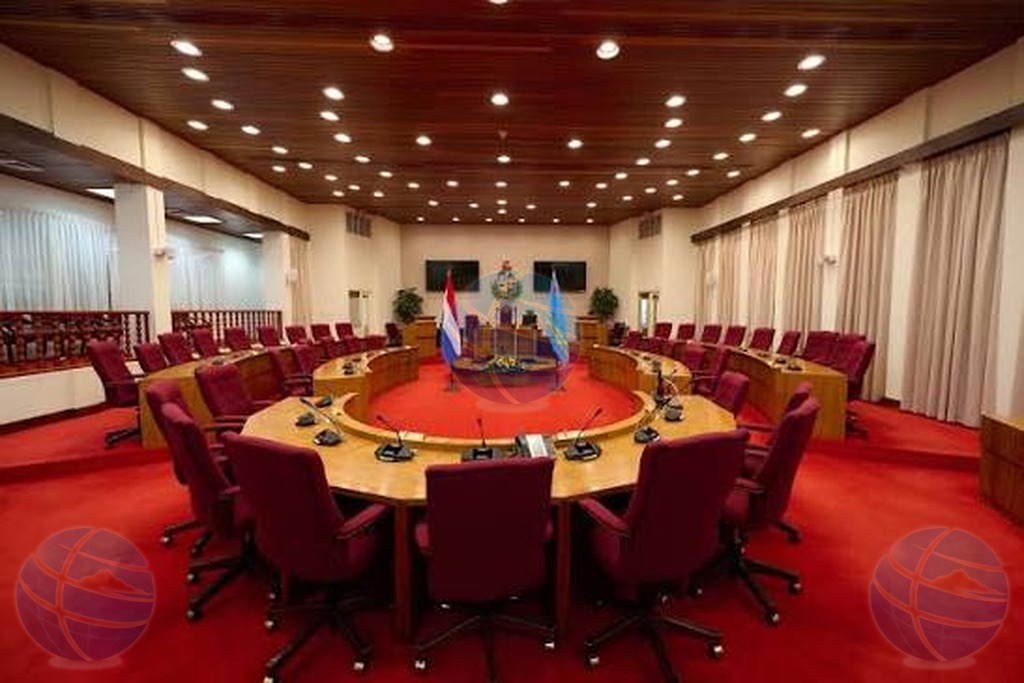
ORANJESTAD — Amid reports of tensions between the two coalition partners, AVP and FUTURO, over a proposal to bring the minimum wage closer to the minimum income required to cover basic living expenses (subsistence minimum), the Standing Committee on Economic Affairs and the Primary Sector of Aruba's Parliament has called a meeting with business representatives on just three days' notice.
INVITATION
The official invitation, dated Monday, October 19, 2026, schedules the meeting for Thursday, October 22, from 2:00 PM to 3:30 PM, in Parliament's meeting room.
The agenda calls for an exchange of views with representatives of the Aruba Trade & Industry Association (ATIA), the Chamber of Commerce (KvK), the San Nicolas Business Association (SNBA) and Comerciantenan Uni Aruba (CUA) regarding the minimum income needed to cover basic living expenses.
POLITICAL TENSIONS
The short notice has attracted attention, particularly given the political circumstances surrounding the meeting. On October 18, news website 24ora.com published an article reporting a serious disagreement between AVP and FUTURO over a proposal to directly link the minimum wage to the income required to meet basic living expenses. According to the publication, during a Council of Ministers meeting, four AVP ministers supported the proposal, while Minister Gerlien Croes and Minister Geoffrey Wever, both representing FUTURO, voted against the proposed approach to implementing the change. The central disagreement is not necessarily whether the minimum wage should increase, but rather how and when such an increase should be implemented.
FURTHER STUDIES
While AVP wants the change, FUTURO believes additional studies and consultations with businesses and labor unions should be completed first to assess the economic consequences of a wage increase of this magnitude. 24ora.com also reported that the disagreement affected the processing of a letter required to submit the proposed legislation to the Advisory Council (Raad van Advies) for review. According to the publication, Minister Geoffrey Wever's signature is a crucial element in that process. Against this background, the parliamentary meeting could carry particular political significance. Discussions with business representatives may help provide the information and perspectives FUTURO considers necessary before a final decision is made. However, the official invitation does not indicate that the meeting was called directly because of the disagreement between AVP and FUTURO, nor does it state that the meeting is intended to resolve differences between the coalition partners. Meanwhile, AVP Member of Parliament John Hart has publicly rejected reports of tensions within the coalition. In a statement to Noticiacla today, Hart maintained that the coalition remains strong and that differences of opinion are a normal part of governing.
WHAT COULD THE MEETING ACHIEVE?
The political question now is whether Thursday's meeting will help bring AVP and FUTURO closer together or whether disagreements over how to increase the minimum wage will continue to complicate the decision-making process. The parliamentary meeting will provide business representatives with an opportunity to express their concerns and recommendations, particularly regarding the potential impact of a minimum wage increase on businesses, employment and Aruba's economy. For now, the official invitation gives no indication that a final decision will be made during the meeting. The debate is particularly important for thousands of Aruban workers who currently earn less than what they need to cover their basic living expenses.