- Front Page
- Politica
- Local
- Internacional
- Deporte
- Analisis
- Investiga
- Live
- LenguahePapiamento

- Autentico a atrae cerca di 4.000 bishitante y impulsa talento culinario
- Restauracion di edificio John G. Eman ta cuminsa cu plan pa oficina, vivienda y horeca
- Rainbow Warriors ta reclama voz pa doñonan di tereno den caso off-road
- Aruba a otorga 259 permiso pa negoshi nobo, 9% mas cu aña pasa
- Mas di 550 trahado di Gobierno ta haya acceso na pensioen via Stichting Algemeen Pensioenfonds Aruba
- Autentico a atrae cerca di 4.000 bishitante y impulsa talento culinario
- Restauracion di edificio John G. Eman ta cuminsa cu plan pa oficina, vivienda y horeca
- Rainbow Warriors ta reclama voz pa doñonan di tereno den caso off-road
- Aruba a otorga 259 permiso pa negoshi nobo, 9% mas cu aña pasa
- Mas di 550 trahado di Gobierno ta haya acceso na pensioen via Stichting Algemeen Pensioenfonds Aruba
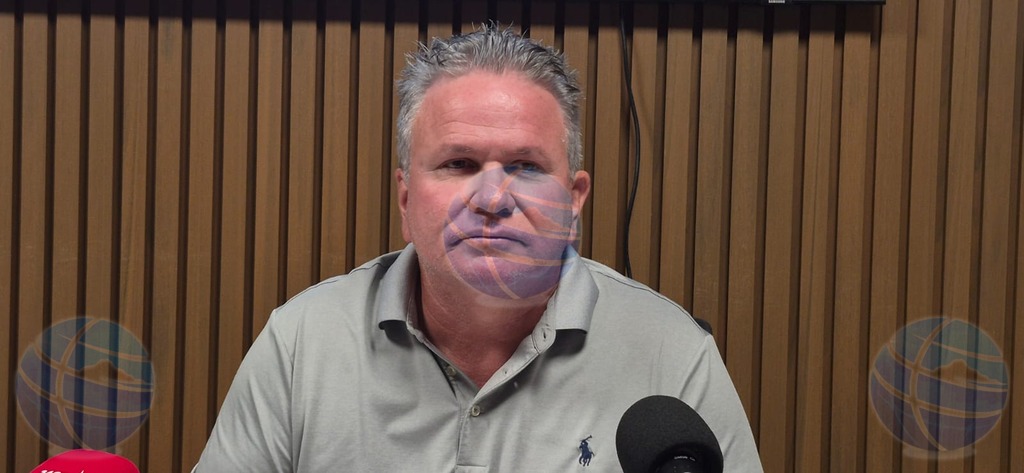
Ponson (CUA): Government must lower its own charges to ease the burden on residents
ORANJESTAD — Frans Ponson, president of Comerciantenan Uni di Aruba (CUA), believes the government must review the charges it imposes on basic necessities before continuing to place responsibility for the cost of living on businesses. During a press conference on Tuesday morning, he linked the debate on the subsistence minimum — the minimum income needed to cover essential expenses — to taxes and the prices of basic services.
Ponson identified electricity, water, gasoline and internet as community necessities. According to him, the government plays a significant role in these costs through state-owned companies and taxation and should contribute directly to easing the burden on residents. “If you want to help the people, offer a basic basket at a good price yourself,” Ponson said.
Gasoline as an example
To illustrate his argument, Ponson presented a gasoline price calculation using a purchase price of Afl. 2.50 per liter and a selling price of Afl. 2.91. According to his calculation, the share going to the government and the state-owned company, including taxes, represents around 40% of the final price, while the gas station’s margin is approximately 7.3%.
These figures are calculations presented by Ponson. The gas station’s margin is not equivalent to net profit, as operating expenses still have to be covered.
Ponson criticized what he considers unequal treatment: businesses face competition and daily expenses, while the government receives revenue from taxes and its companies.
Higher prices bring higher tax revenues
Ponson argued that when prices rise, government revenue from percentage-based taxes also increases. “When a price goes up in Aruba, who gains more? The government,” he said.
According to the CUA president, it is insufficient for the government to speak about a financial surplus or protecting purchasing power while charges on basic necessities continue to affect residents and businesses.
He called for thorough studies into the impact of minimum wage increases and other measures related to the subsistence minimum, as well as a cooperative relationship with the business sector. His frustration with the current relationship was clear: “It is not a partner; it is an enemy.”
Ponson’s central message is that easing the cost of living must be a shared responsibility, with the government also reviewing its own taxes, tariffs and requirements.