- Front Page
- Politica
- Local
- Internacional
- Deporte
- Analisis
- Investiga
- Live
- LenguahePapiamento

- Bandera di Aruba ta bula cu orguyo na Dog Psychology Center di Cesar Millan
- Rob Jetten y Nicolás Keenan ta bira tata na 2027
- Merca ta menasa cu contramedidanan pa restriccion europeo riba SpaceX
- Sulima Geerman: Contribui na futuro di turismo ta mas cu critica
- Schiphol ta funciona normal atrobe despues cu fayo a laga centenares perde buelo
- Bandera di Aruba ta bula cu orguyo na Dog Psychology Center di Cesar Millan
- Rob Jetten y Nicolás Keenan ta bira tata na 2027
- Merca ta menasa cu contramedidanan pa restriccion europeo riba SpaceX
- Sulima Geerman: Contribui na futuro di turismo ta mas cu critica
- Schiphol ta funciona normal atrobe despues cu fayo a laga centenares perde buelo
Hospital has been talking since February, but there is still no solution as October approaches
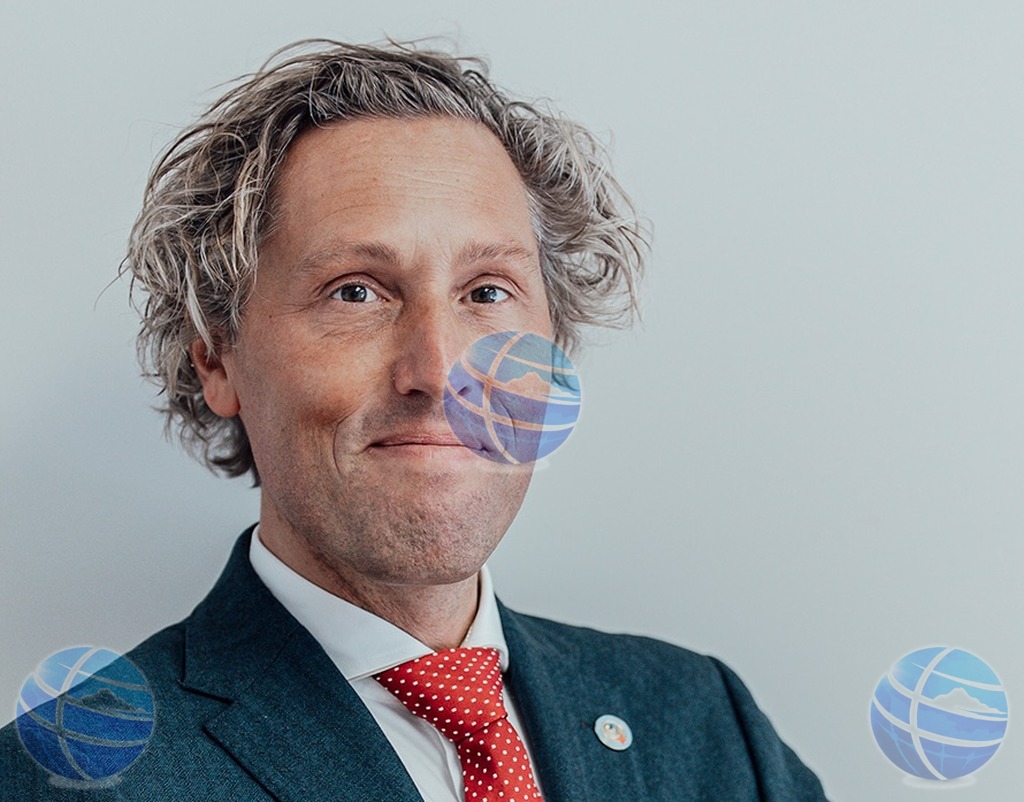
ORANJESTAD — Horacio Oduber Hospital Director Jacco Vroegop considers the recent visits by AVP and MEP to the hospital important in giving Parliament a more complete picture of the hospital’s financial situation and the growing pressure on healthcare in Aruba. According to Vroegop, in his response to Noticiacla on Wednesday, the problem is not something that emerged recently, but rather the result of several years of increasing demand for care while funding has not grown at the same pace.
INVESTMENT FUNDS USED TO COVER ADDITIONAL DEMAND FOR CARE
“For many years we have been seeing more demand for care, care is becoming more intensive, the population is becoming sicker and the number of patients is increasing, while funding is not growing sufficiently,” Vroegop explained.
According to the director, the hospital managed for several years to compensate for part of the shortfall by using other sources of income. However, those funds were originally intended for investments in innovation, modernization and improvements that should benefit both patients and hospital staff.
“We were able to compensate for this for quite some time with money from other sources, but in reality that money is not intended for that purpose. It is money meant to be invested in innovation and renewal, for the benefit of our population and also our staff,” Vroegop said.
CURRENT MODEL CAN NO LONGER BE SUSTAINED
According to him, the situation has now reached a point where the current model is no longer sustainable. International costs have risen rapidly, while the rates the hospital receives for providing care no longer reflect the actual cost.
“We made it very clear to AVP and MEP that the world has become much more expensive and that the rates simply no longer add up. If no additional funding becomes available, we also cannot continue providing everything,” he warned.
According to Vroegop, the consequence could be that patients will have to wait longer for certain treatments or types of care, particularly planned or elective care.
AVP AND MEP ASKED MANY QUESTIONS
According to the hospital director, both AVP and MEP asked many questions during their visits and listened to the hospital’s explanations. Vroegop indicated that both delegations recognized that there is no simple solution and that the problem represents a shared responsibility.
However, what stands out most is the amount of time that discussions have been taking place without producing a concrete result.
TALKS HAVE BEEN GOING ON SINCE FEBRUARY, BUT THERE IS STILL NO SOLUTION
“We have been talking since February. We are now almost in October, and there are still no truly concrete solutions,” Vroegop emphasized.
He also referred to AZV’s legal responsibility to ensure that its insured population — in other words, the people of Aruba — has access to adequate healthcare and that sufficient care is purchased.
Vroegop expressed satisfaction that both AVP and MEP took the initiative to approach the hospital. According to him, the hospital itself did not invite the political parties; they requested the visits themselves.
“I am very pleased that both wanted to come and that they asked to speak with us. We did not invite them; they themselves expressed their interest in coming,” he said.
For Vroegop, this attitude is particularly important at a time when different versions and positions are circulating regarding the hospital’s financial crisis.
“It is positive that they apply the principle of hearing both sides and listen to all sides of the story. In a situation like this, that is very important. It also shows that they take their role as parliamentarians seriously.”
THE PROBLEM IS NOT JUST ABOUT NUMBERS
Vroegop’s main message remains that the hospital’s financial problem is not merely an abstract discussion about figures. If funding is not adjusted to reflect the real increase in costs and demand for healthcare, the consequences will eventually be felt directly by patients, mainly in the form of longer waiting times and less capacity to provide all the care that is currently available.