- Front Page
- Politica
- Local
- Internacional
- Deporte
- Analisis
- Live
- LenguahePapiamento

- Ex politico Croes a cuestiona maneho di AZV den caso di su yiu cu cancer
- Arubahuis presente na final di 4Daagse di Nijmegen
- Analisis: Dos hoben asesina den seis luna: con preocupa nos mester ta?
- Gobierno kier habri "Waf Chikito" pa barkitonan di fruta for di Venezuela
- TTW: Aruba ta lider den ocupacion di hotel den Caribe e luna di juli
- Ex politico Croes a cuestiona maneho di AZV den caso di su yiu cu cancer
- Arubahuis presente na final di 4Daagse di Nijmegen
- Analisis: Dos hoben asesina den seis luna: con preocupa nos mester ta?
- Gobierno kier habri "Waf Chikito" pa barkitonan di fruta for di Venezuela
- TTW: Aruba ta lider den ocupacion di hotel den Caribe e luna di juli
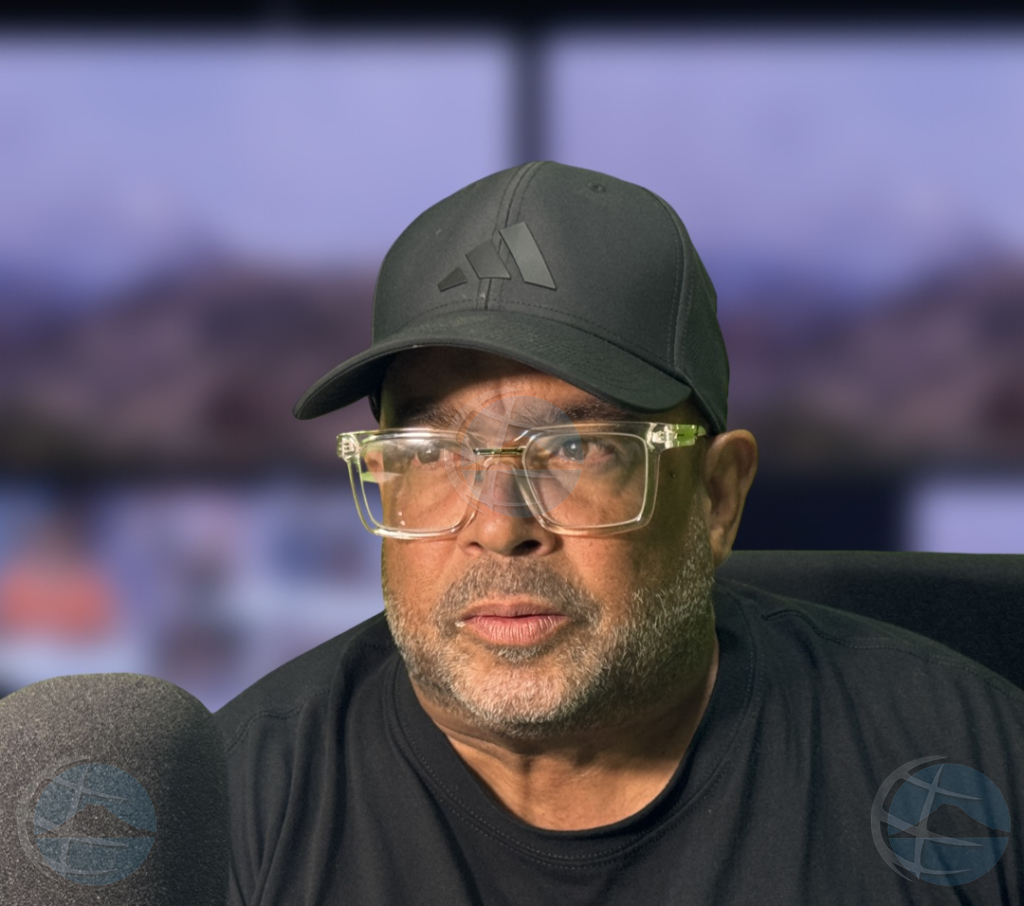
San Nicolas needs jobs and industry, not just festivals, business leader says
ORANJESTAD, Aruba — The president of the San Nicolas Business Association, Errol de Freitas, has voiced sharp concerns about Aruba’s current development strategy, arguing that the island’s second-largest district needs sustained economic investment and job creation rather than a continued focus on cultural events alone.
Speaking Tuesday evening during an interview on Noticiacla LIVE with journalist Tito Laclé, Mr. de Freitas questioned government priorities and challenged the long-term economic impact of various cultural and tourism initiatives in San Nicolas.
While acknowledging that events such as the Carubian Festival contribute positively to the city’s atmosphere and cultural identity, Mr. de Freitas said the district faces far more pressing economic challenges. “Festivals are good, but what we need right now is jobs, jobs and more jobs,” he said.
Mr. de Freitas argued that Aruba must attract new industries and meaningful private investment to create sustainable economic opportunities, particularly in San Nicolas, a community that has struggled for years to redefine its role following the decline of the refinery sector.
Rather than transforming the district into a replica of Oranjestad, Aruba’s capital, he said San Nicolas should build upon its own cultural and commercial strengths. “San Nicolas is about our small businesses, our bakeries, our food and our culture,” he said. “We need diversity and opportunities to grow.”
Mr. de Freitas revealed that several investors have already purchased properties along Main Street but have been reluctant to move forward with development projects because of what he described as a lack of confidence and insufficient government support. “I have an investor who bought four buildings and is now selling them again,” he said. “He told me clearly that the government was never going to help.”
The comments reflect broader concerns among some business leaders about the pace of economic revitalization efforts in San Nicolas and the extent to which public policy supports investment outside the island’s main commercial center.
According to Mr. de Freitas, the current situation raises fundamental questions about how much importance policymakers place on Aruba’s districts and whether economic development is being distributed evenly across the island. “How important are our districts to our country?” he asked. “If they were truly important, the situation would not be what it is today.”
Mr. de Freitas called for a more balanced approach to economic development, arguing that growth should not be concentrated in a single area while other communities struggle to attract investment and employment opportunities. “It cannot continue the way it is now,” he said. “We need to restore balance in our country.”
During the interview, he also pointed to potential economic opportunities stemming from developments in neighboring Venezuela. Given Aruba’s geographic location and San Nicolas’ industrial history, he said, the island should be thinking strategically about how to position itself to benefit from future regional economic activity. “With everything happening in Venezuela, Aruba must seek the greatest possible benefit for our people,” Mr. de Freitas said.