- Front Page
- Politica
- Local
- Internacional
- Deporte
- Analisis
- Investiga
- Live
- LenguahePapiamento

- Aruba Real Estate Summit a pone foco riba desaroyo responsabel den sector inmobiliario
- Trahadornan di Arubus ta exigi fecha y solucion concreto pa salario
- Dos detencion mas den investigacion di tiramento na Mandolinstraat
- AHATA ta promove medidanan pa proteha trahadonan contra calor intenso
- Hulanda lo studia preclearance Europeo pa biahe entre Aruba y Europa
- Aruba Real Estate Summit a pone foco riba desaroyo responsabel den sector inmobiliario
- Trahadornan di Arubus ta exigi fecha y solucion concreto pa salario
- Dos detencion mas den investigacion di tiramento na Mandolinstraat
- AHATA ta promove medidanan pa proteha trahadonan contra calor intenso
- Hulanda lo studia preclearance Europeo pa biahe entre Aruba y Europa
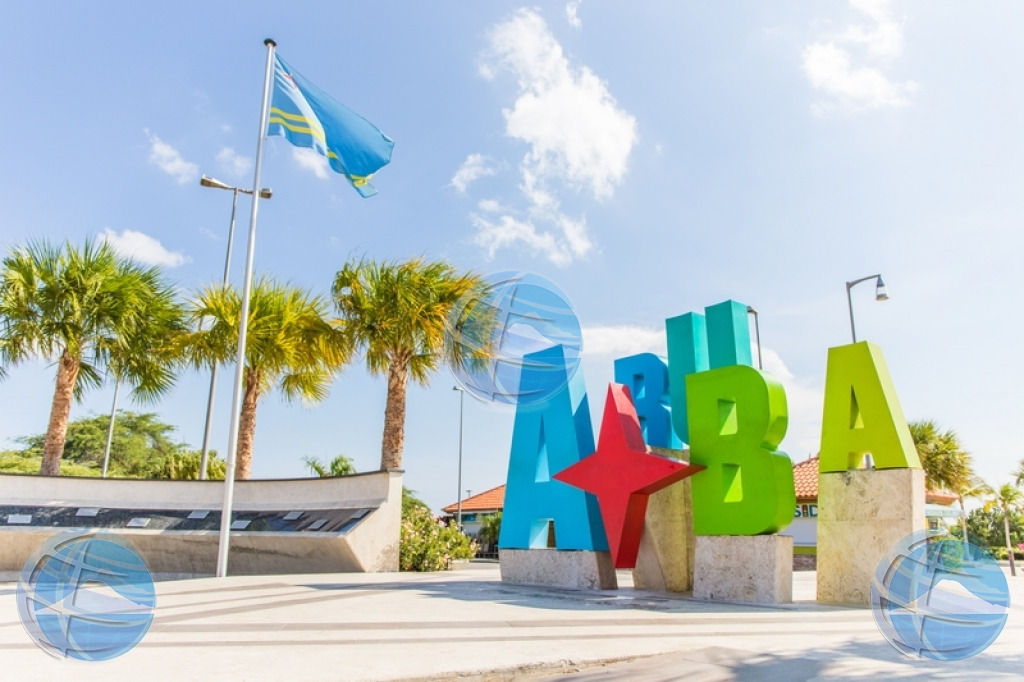
Aruba tourism grows 8.9% in first four months of 2026
ORANJESTAD – Aruba recorded an 8.9% increase in visitor arrivals between January and April 2026, according to figures attributed to UN Tourism, reinforcing the island’s position as one of the stronger-performing destinations in the Caribbean.
In January alone, Aruba welcomed 136,578 stay-over visitors, generating more than 1 million overnight stays, with 1,064,432 nights recorded. The average visitor stayed approximately 7.8 nights, an important indicator for the local economy because longer stays generally translate into greater spending across hotels, restaurants, transportation, retail and tourism activities.
The United States remains one of Aruba’s most important source markets, supported by extensive direct air connections with major American cities. Canada also continues to play a significant role, particularly during the colder months.
At the same time, Aruba is expanding its reach in Latin America. Diversifying its visitor base reduces dependence on a limited number of markets and may make the tourism sector more resilient to economic shifts abroad.
Air connectivity and infrastructure remain central to that growth. Queen Beatrix International Airport continues to play a key role, while improvements in passenger facilities and airline partnerships can support additional routes and frequencies.
Aruba’s tourism strategy is also increasingly focused on economic value rather than visitor numbers alone. Longer stays, premium resorts, wellness experiences, water activities, nature, culture and adventure are becoming increasingly important parts of the island’s tourism offering.
Cruise tourism provides an additional source of activity. Although overnight visitors generally generate greater economic benefits, cruise passengers continue to support shops, restaurants, transportation companies and tour operators while giving Aruba additional international exposure.
With arrivals up 8.9% during the first four months of the year, the outlook for the remainder of 2026 remains positive. The longer-term challenge will be maintaining that momentum while ensuring infrastructure, quality and capacity keep pace with continuing demand.