
- BCA ta alerta pa compania cu ta busca inversion den Aruba sin permiso legal
- Prensa di Ecuador ta reacciona duro: Corsou ta haci historia y La Tri ta keda contra muraya
- Medionan di Merca ta elogia actuacion historico di Eloy Room
- Rey Willem-Alexander a bishita seleccion di Corsou despues di wega contra Ecuador
- Abelardo de la Espriella a gana eleccion presidencial di Colombia
- BCA ta alerta pa compania cu ta busca inversion den Aruba sin permiso legal
- Prensa di Ecuador ta reacciona duro: Corsou ta haci historia y La Tri ta keda contra muraya
- Medionan di Merca ta elogia actuacion historico di Eloy Room
- Rey Willem-Alexander a bishita seleccion di Corsou despues di wega contra Ecuador
- Abelardo de la Espriella a gana eleccion presidencial di Colombia
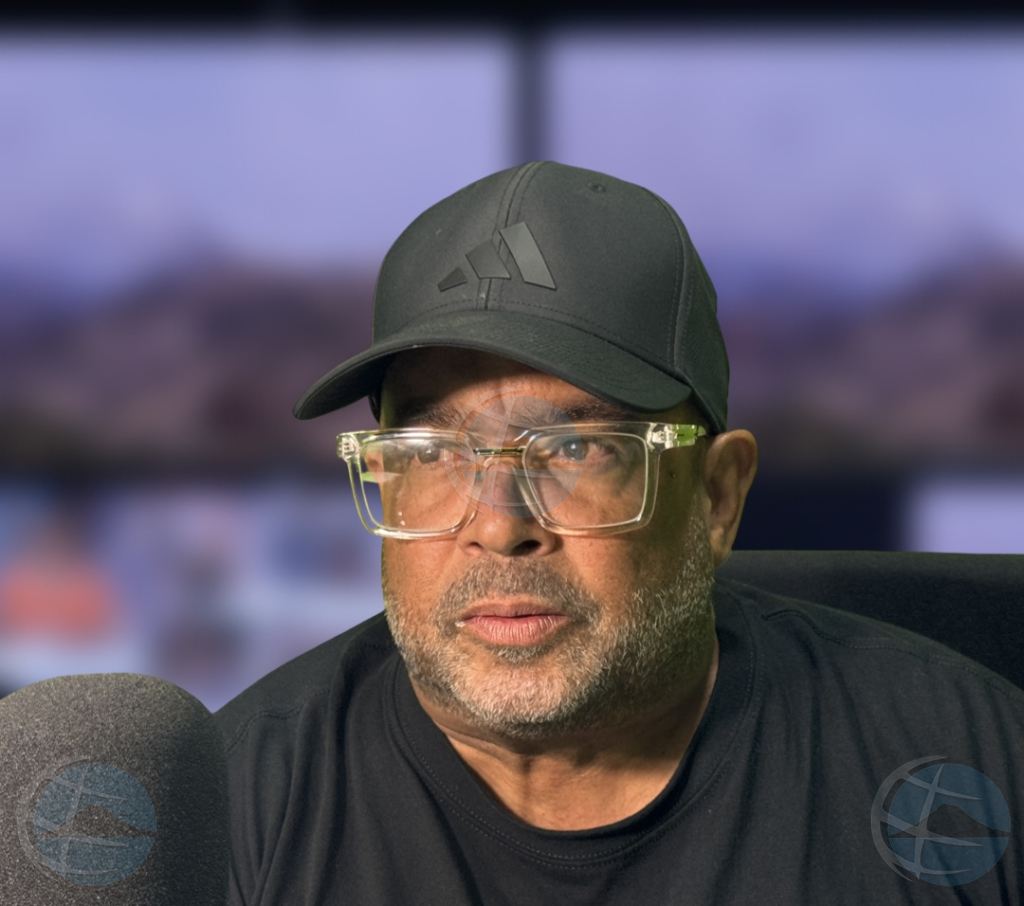
SNBA opposes full refinery dismantling and calls for a new industrial vision for San Nicolas
ORANJESTAD — The San Nicolas Business Association does not support the complete dismantling of Aruba’s former refinery and believes parts of the facility should be preserved and repurposed to help drive future economic development, according to SNBA President Errol de Freitas.
Speaking during an interview with Tito Laclé on Noticiacla LIVE Tuesday night, Mr. de Freitas said the organization favors a selective approach that removes obsolete infrastructure while retaining assets that could still serve industrial and commercial purposes.
The refinery property covers nearly four million square meters, and significant portions of the site could be adapted for new economic activities, he said.
“There are parts of the refinery that can no longer be used and should be dismantled,” Mr. de Freitas said. “But there is also infrastructure that still has value and can help Aruba in the future.”
Mr. de Freitas said local and international professionals have been advising the association on ways to reuse existing facilities. He argued that San Nicolas has historically been Aruba’s industrial center and that economic recovery could be accelerated by building on industries the island already understands and has experience supporting.
“This is not about reopening the refinery of the past,” he said. “We are talking about a completely different upgrade.”
One opportunity, he said, involves expanding storage capacity. Some older storage tanks could be refurbished and relocated to areas where they could continue to be used.
“Many countries are facing storage-capacity challenges today. Guyana has a problem. Venezuela has a problem. Aruba could become part of the solution,” Mr. de Freitas said.
The SNBA president also revealed that the association met with government officials in September of last year to present its vision for the refinery’s future. He acknowledged, however, that the government has access to information that is not available to the private sector.
Beyond the refinery debate, Mr. de Freitas expressed concern about Aruba’s broader economic direction, warning that the island risks becoming overly dependent on tourism and service-sector jobs.
“If Aruba becomes nothing more than a pit stop, what are we educating our young people for?” he asked. “Bartenders? Bellmen? Busboys?”
He said Aruba must think strategically about education, energy and industrial development in order to create sustainable opportunities for future generations.
Mr. de Freitas also criticized what he described as a recurring political pattern in which San Nicolas becomes a major campaign issue during election seasons but receives limited attention afterward.
“Every political campaign talks about San Nicolas as a priority, but after the election, many of those promises disappear,” he said.
According to Mr. de Freitas, San Nicolas remains one of Aruba’s greatest economic opportunities, but unlocking its potential will require concrete action and a long-term vision. He argued that decisions made today will determine whether the district retains its industrial identity and whether Aruba can build a more diversified economy for the future.