- Front Page
- Politica
- Local
- Internacional
- Deporte
- Analisis
- Investiga
- Live
- LenguahePapiamento

- Wind Creek Aruba ta ahusta maneho di parkeer: Prome ora gratis
- Inflacion na Aruba ta subi te 3,7%; bestaansminimum ta yega Afl. 2.716
- Abogado ‘nobo’ tambe ta retira di caso di Chania Fernandez Pedra
- Ombudsman ta critica SVb atrobe: Pensionado ta perde tres aña di AOV
- Aruba 2050: Envehecemento y futuro laboral ta presenta desafio pa Aruba
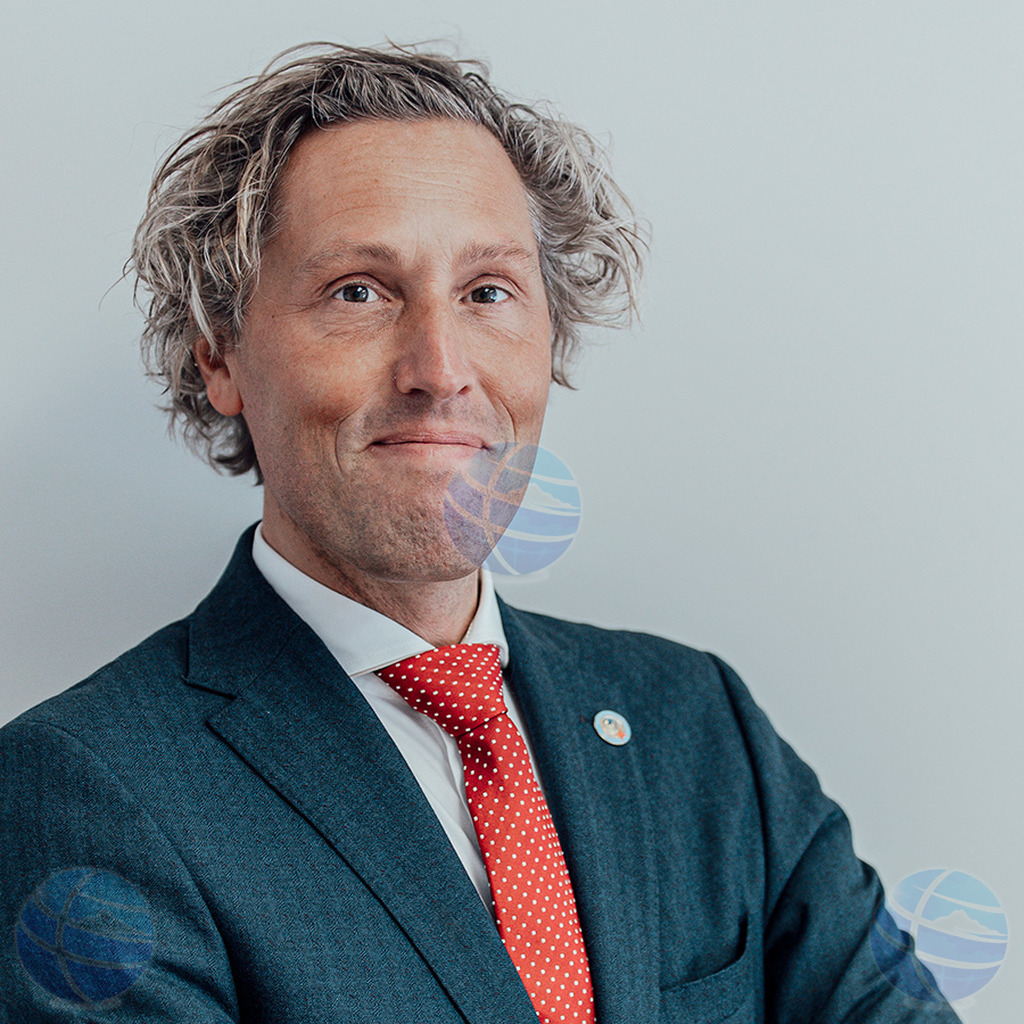
Aruba hospital director questions vaccination pressure and defends medical autonomy
ORANJESTAD — Dr. Horacio Oduber Hospital Director Jacco Vroegop has expressed concern about how criticism of vaccination policies is being addressed in public debate. In a social media statement, Vroegop defended individuals' rights to make informed medical decisions freely and questioned the government's responsibility for declining public trust in vaccination.
His comments were prompted by a November 19 column by Ronit Palache in the Dutch newspaper Trouw. According to Vroegop, the columnist suggested taking stronger action against individuals whom she considers to be undermining established vaccine research without sufficient evidence.
Vroegop described the suggestion as troubling, particularly coming from a newspaper founded in 1943 to resist abuses of power.
EXPERIENCE DURING COVID-19
Drawing on his experience managing hospital operations in Aruba during the COVID-19 pandemic, Vroegop recalled the challenges of protecting patients, healthcare workers and the continuity of medical services. "I experienced how difficult it is to make decisions under uncertainty. But also what happens when scientific uncertainties are translated into political certainties and social pressure," he wrote.
According to Vroegop, some individuals experienced exclusion, medical decisions became moral judgments, and legitimate critical questions did not always receive adequate responses.
He argued that the social consequences of pandemic policies, including damaged relationships and declining institutional trust, deserve greater attention.
THE RIGHT TO MEDICAL AUTONOMY
A central element of Vroegop's position is the principle of bodily autonomy and informed consent. "For me, one principle comes first: bodily autonomy is a fundamental right. Medical treatment requires informed and voluntary consent. Our bodies do not belong to the government, a doctor or the pharmaceutical industry," he stated.
Vroegop acknowledged that vaccines differ in effectiveness, risks and the protection they provide. He argued that each vaccine requires an individual medical assessment and that patients should receive comprehensive information about benefits, risks and uncertainties.
He also recognized the concerning rise in measles cases in the United States and emphasized that the protection provided by the MMR vaccine against measles, mumps and rubella is strongly supported by scientific evidence.
However, he maintained that this does not justify broadly calling for tougher measures against citizens who question vaccination policies.
GOVERNMENT RESPONSIBILITY FOR DECLINING TRUST
Vroegop referred to research by the Netherlands Organisation for Applied Scientific Research (TNO), which he said found that experiences of vaccination pressure and restricted freedom of choice during the pandemic contributed to distrust among some parents interviewed.
He argued that governments should critically examine how their own actions may have contributed to declining confidence. "Ronit van Tijn Palache would have been better off asking what responsibility the government itself bears for the decline in trust in vaccinations," he wrote.
Vroegop concluded that newspapers should continue to scrutinize those in power, including when authorities claim to speak on behalf of science.
His reflections form part of a broader article titled Trouw aan de waarheid, of Trouw aan de macht? — Loyal to the Truth, or Loyal to Power?
The statement reflects Vroegop's personal views on medical autonomy, public communication and institutional trust. It should not be interpreted as an official assessment of vaccination policy by Dr. Horacio Oduber Hospital.