- Front Page
- Politica
- Local
- Internacional
- Deporte
- Analisis
- Investiga
- Live
- LenguahePapiamento

- Parlamento a aproba mocion unanimemente pa pidi Hulanda claridad riba anotacionnan di Beatrix tocante Betico Croes
- ATIA ta lamenta e proceso di dialogo tocante salario minimo y e declaracionnan publico di e Prome Minister
- Eman ta nenga impasse den coalicion y ta insisti riba aumento di salario minimo
- Presidente di FIFA na Aruba pa inaugura proyecto di veld di futbol
- Fernandes Pedra a pidi cambio di huez: caso di dos morto atrobe suspendi
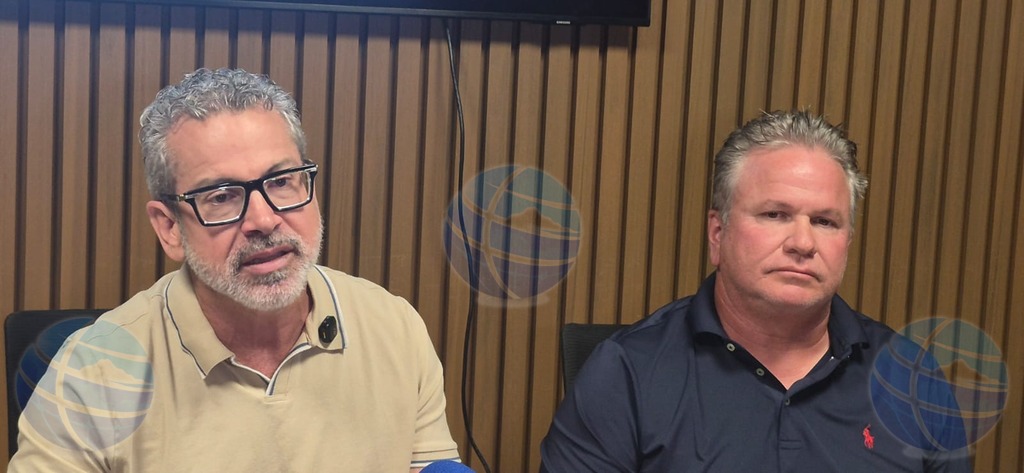
CUA: Government makes life more expensive and shifts the burden onto businesses
ORANJESTAD — Francis Saladin, vice president of Comerciantenan Uni di Aruba (CUA), accused the government of contributing to the rising cost of living through higher taxes and tariffs while expecting businesses to absorb additional costs. During a press conference on Tuesday morning, he called for genuine dialogue on raising the minimum wage to the subsistence level. “We all know and feel how our purchasing power has declined,” Saladin said. However, he rejected the government’s blaming of the business sector without acknowledging the impact of its own decisions.
BBO AT THE BORDER AS AN EXAMPLE
He cited BBO at the border, property tax and water tariffs as examples. According to Saladin, these burdens affect both businesses and consumers and limit businesses’ ability to absorb additional increases. “The government keeps increasing its revenue through taxes, but expects businesses to carry that burden indefinitely,” he said.
CRITICISM OF EMAN
Saladin also directed his criticism at Prime Minister Mike Eman. According to his account, the decision to raise the minimum wage had already been made, and businesses could only indicate what compensation they wanted to mitigate the impact. He described the approach as “almost dictatorial.” “You can say whatever you want, but what additional measures do you want to mitigate this? That is not dialogue,” Saladin said.
RISING PERSONNEL COSTS
He warned that higher personnel costs could force businesses to raise prices or reduce their workforce. According to him, personnel costs are the largest expense for most companies, and businesses have limited capacity to keep taking on additional obligations. CUA wants to work with the government on a solution that includes reducing public spending, easing the tax burden and improving purchasing power. “We want to work together to provide a lasting and creative solution,” Saladin said. He insisted that the goal should be to help those losing purchasing power without creating further economic imbalances.