- Front Page
- Politica
- Local
- Internacional
- Deporte
- Analisis
- Investiga
- Live
- LenguahePapiamento

- Parlamento a aproba mocion unanimemente pa pidi Hulanda claridad riba anotacionnan di Beatrix tocante Betico Croes
- ATIA ta lamenta e proceso di dialogo tocante salario minimo y e declaracionnan publico di e Prome Minister
- Eman ta nenga impasse den coalicion y ta insisti riba aumento di salario minimo
- Presidente di FIFA na Aruba pa inaugura proyecto di veld di futbol
- Fernandes Pedra a pidi cambio di huez: caso di dos morto atrobe suspendi
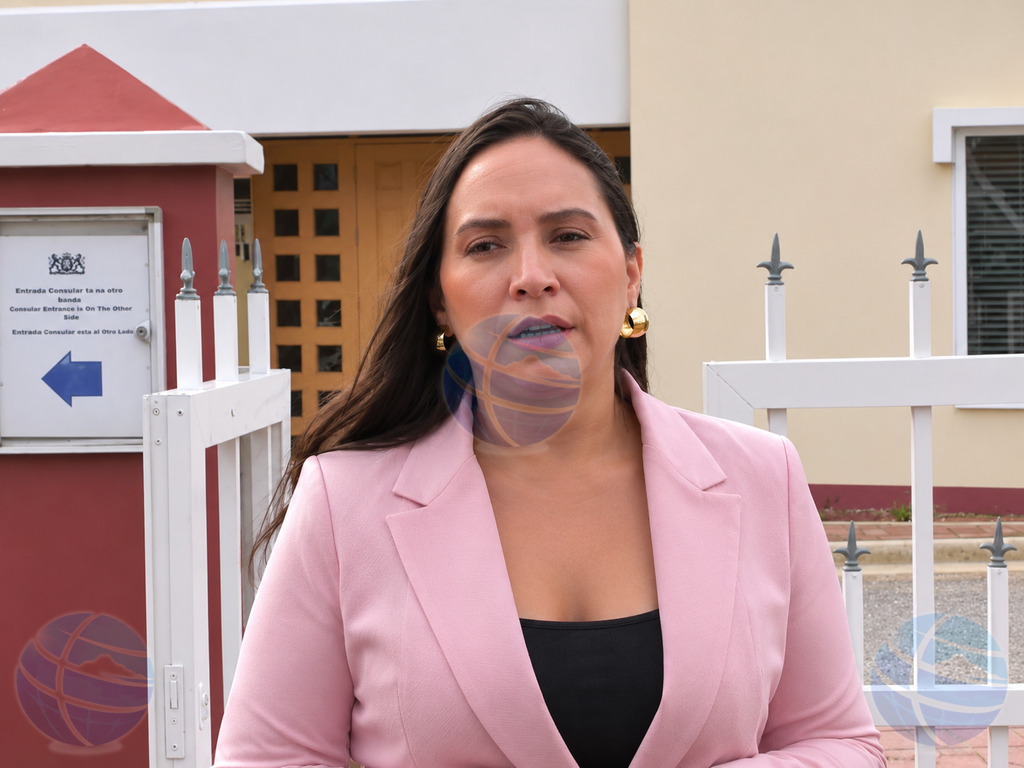
Gerlien Croes: FUTURO wants dialogue, not government collapse
ORANJESTAD — Minister Gerlien Croes (FUTURO) has stated that her party is not seeking the collapse of the AVP–FUTURO coalition government but is demanding clarity and dialogue regarding the proposed increase of the minimum wage to the subsistence level (bestaansminimum). Following her visit to Governor Alfonso Boekhoudt, Croes expressed concern that the government is under pressure to make a decision without having adequately prepared for all its economic and budgetary consequences.
IMPASSE
Her statement comes amid a political impasse between AVP and FUTURO. While Prime Minister Mike Eman considers the minimum wage increase a fundamental commitment to workers, FUTURO insists that the measure must be accompanied by economic studies and safeguards to prevent negative consequences.
DIALOGUE IN ARUBA IS THE PRIORITY
Croes questioned Eman's public statements, which, according to her, give the impression that there is no longer room for negotiations. "Dialogue in the Netherlands is important, but dialogue in Aruba is more important," the minister emphasized. According to Croes, business associations have sent a letter to Minister Geoffrey Wever expressing their willingness to resume negotiations. However, she clarified that she had not yet received the document herself. "We want to return to the negotiating table and make a responsible decision for the future of our country," Croes stated.
2027 BUDGET NOT YET PREPARED
One of the main concerns is the financial impact on government-subsidized institutions. Croes mentioned that approximately 60 hospital employees could be affected by the increase, while the additional costs have not been included in the 2027 budget. She also questioned how the wage increase would affect families receiving housing subsidies. If their income rises, they could potentially lose eligibility for certain benefits. The minister warned that small businesses could face pressure to raise other employees' wages, increase prices or reduce staff. To limit these risks, FUTURO is considering measures such as housing and energy subsidies. "We want an increase, but that increase must not make Aruba more expensive," Croes emphasized.
WHY THE TIME PRESSURE?
Croes questioned Eman's urgency in implementing the measure while several financial issues remain unresolved. According to the minister, FUTURO entrusted the Prime Minister with leading the social dialogue process and cannot imagine that AVP would now refuse to allow further negotiations.
TENSIONS ESCALATE
Tensions increased after an extraordinary meeting requested by FUTURO for Sunday evening failed to take place. Although Croes's visit to the Governor attracted attention, there has been no confirmation of a resignation or formal coalition breakdown. For now, AVP remains committed to the wage increase, while FUTURO demands further preparation and consultation. The question is whether the two parties can reach an agreement without jeopardizing the government's survival.