- Front Page
- Politica
- Local
- Internacional
- Deporte
- Analisis
- Investiga
- Live
- LenguahePapiamento

- Parlamento a aproba mocion unanimemente pa pidi Hulanda claridad riba anotacionnan di Beatrix tocante Betico Croes
- ATIA ta lamenta e proceso di dialogo tocante salario minimo y e declaracionnan publico di e Prome Minister
- Eman ta nenga impasse den coalicion y ta insisti riba aumento di salario minimo
- Presidente di FIFA na Aruba pa inaugura proyecto di veld di futbol
- Fernandes Pedra a pidi cambio di huez: caso di dos morto atrobe suspendi
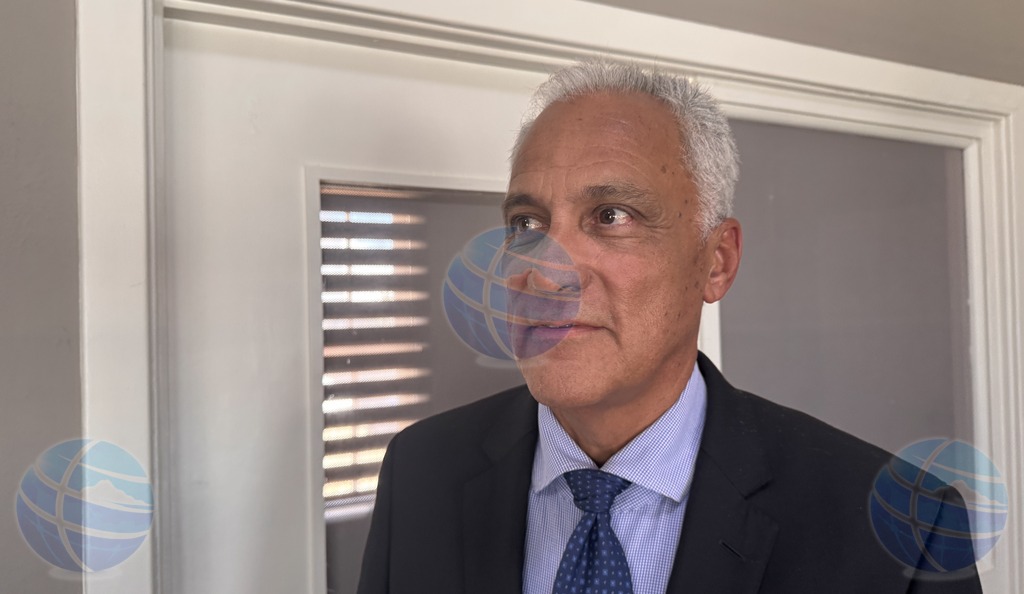
Agunbero (CAft): Some public companies have faced financial problems for years
ORANJESTAD — While some government-owned companies in Aruba have sufficient reserves to withstand financial setbacks, others have been struggling with structural financial problems for years. This emerged during a Noticiacla interview with Marion Agunbero, Aruba's representative on the Aruba Financial Supervision Board (CAft).
CONSEQUENCES
Asked who ultimately bears the consequences when a government-owned company experiences financial difficulties, Agunbero explained that the answer depends on the company and its specific circumstances. According to her, some companies have sufficient financial reserves to absorb their own losses. Others, however, face long-standing structural financial difficulties that require decisions about their future.
CORPORATE GOVERNANCE LEGISLATION
Agunbero emphasized the importance of introducing corporate governance legislation to strengthen the management and oversight of government-owned companies. The need for stronger supervision is directly linked to the possibility that financial risks within these companies could eventually affect the government and, indirectly, the wider community. CAft has previously highlighted examples of management problems at public companies, including unfavorable financing arrangements and insufficiently coordinated decisions.
FINANCIAL SUPERVISION BOARD
Although Agunbero did not identify which companies are currently experiencing structural financial problems, her statements confirm that the issue remains a concern requiring government attention. An important question remains unanswered: Is there sufficient transparency in Aruba for citizens to understand the true financial condition of all government-owned companies?