- Front Page
- Politica
- Local
- Internacional
- Deporte
- Analisis
- Investiga
- Live
- LenguahePapiamento

- Parlamento a aproba mocion unanimemente pa pidi Hulanda claridad riba anotacionnan di Beatrix tocante Betico Croes
- ATIA ta lamenta e proceso di dialogo tocante salario minimo y e declaracionnan publico di e Prome Minister
- Eman ta nenga impasse den coalicion y ta insisti riba aumento di salario minimo
- Presidente di FIFA na Aruba pa inaugura proyecto di veld di futbol
- Fernandes Pedra a pidi cambio di huez: caso di dos morto atrobe suspendi
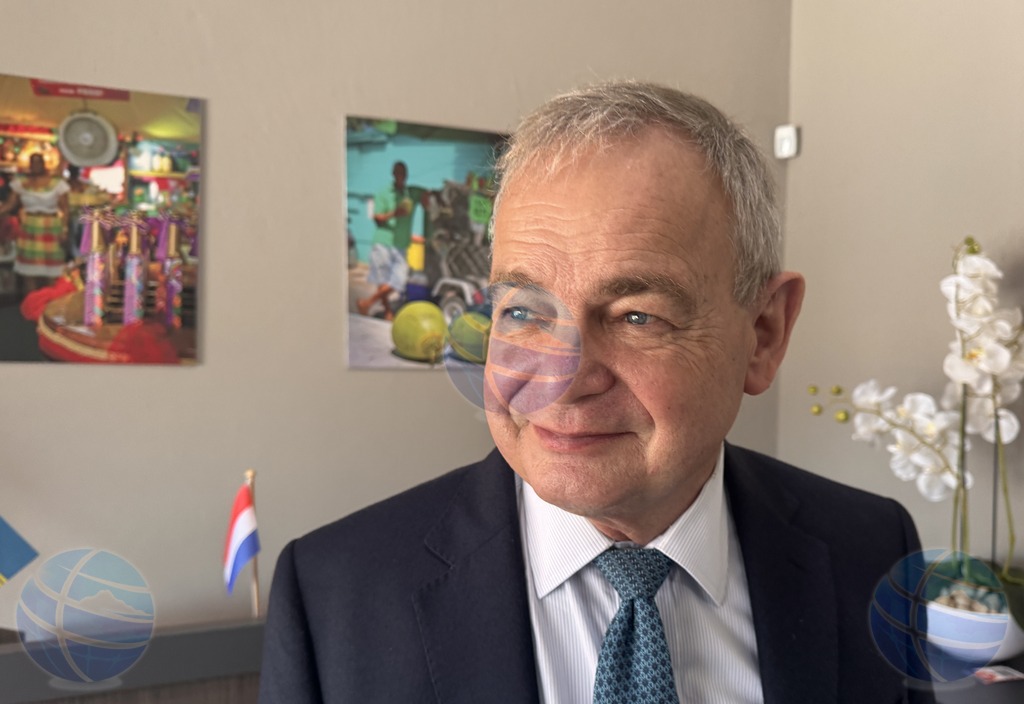
Hoogervorst: Do not leave tourism policy to a single minister
ORANJESTAD — Tourism policy is too important for Aruba to leave solely to one minister or delegate too extensively to organisations. Hans Hoogervorst, chairman of the Aruba Board of Financial Supervision (CAft), is calling on the entire Council of Ministers to take responsibility. He warns that creating more organisations and separate funds could ultimately leave no one fully accountable.
Integrated tourism policy
In an interview with Tito Laclé of Noticiacla, Hoogervorst emphasised the need for an integrated tourism policy. Tourism decisions affect public finances, housing, roads, the labour market and other sectors, and therefore require a coordinated government approach. “It is too much for a tourism minister alone. It concerns everyone,” he said.
Hoogervorst acknowledged the quality of the professionals at the Aruba Tourism Authority (A.T.A.) and industry organisations. Their expertise, however, does not remove the government’s political responsibility. “It is a political responsibility, and political leaders must take that responsibility.”
Warning about Tourism 3.0
During the interview, Hoogervorst expressed reservations about proposals to create more organisations and introduce levies earmarked for specific expenditure, as discussed in the Tourism 3.0 report. He warned that both responsibilities and funding streams could become too fragmented. “The danger is that if you make too many organisations responsible, eventually no one is responsible anymore,” he said. He therefore called for the structure to be assessed carefully before implementation. He did not reject the report as a whole or present his observations as instructions to the government. When Laclé asked whether he believed the report should not be adopted in full as it stands, Hoogervorst remained cautious: “This is my contribution to the discussion. We are not tourism experts.” He stressed that CAft specialises in public finances and had provided an analysis with observations for the government to consider. In his discussions with ministers, he had the impression that they were willing to listen.
Tackling activities that avoid taxation
Another CAft recommendation is to strengthen enforcement in the informal economy. Hoogervorst clarified that he was referring to activities and people that do not pay taxes. According to him, stronger enforcement could produce two results: increased tax revenue and a reduction in uncontrolled growth. If businesses can no longer rely on informal labour, they will have to turn to formal employment, which is more expensive and harder to obtain. In his assessment, this could moderate the pace of expansion. Hoogervorst’s central message is that the government must make these decisions as a whole: determine what kind of tourism Aruba wants, how to finance the needs it creates and who is accountable for the results.