- Front Page
- Politica
- Local
- Internacional
- Deporte
- Analisis
- Investiga
- Live
- LenguahePapiamento

- Autentico a atrae cerca di 4.000 bishitante y impulsa talento culinario
- Restauracion di edificio John G. Eman ta cuminsa cu plan pa oficina, vivienda y horeca
- Rainbow Warriors ta reclama voz pa doñonan di tereno den caso off-road
- Aruba a otorga 259 permiso pa negoshi nobo, 9% mas cu aña pasa
- Mas di 550 trahado di Gobierno ta haya acceso na pensioen via Stichting Algemeen Pensioenfonds Aruba
- Autentico a atrae cerca di 4.000 bishitante y impulsa talento culinario
- Restauracion di edificio John G. Eman ta cuminsa cu plan pa oficina, vivienda y horeca
- Rainbow Warriors ta reclama voz pa doñonan di tereno den caso off-road
- Aruba a otorga 259 permiso pa negoshi nobo, 9% mas cu aña pasa
- Mas di 550 trahado di Gobierno ta haya acceso na pensioen via Stichting Algemeen Pensioenfonds Aruba
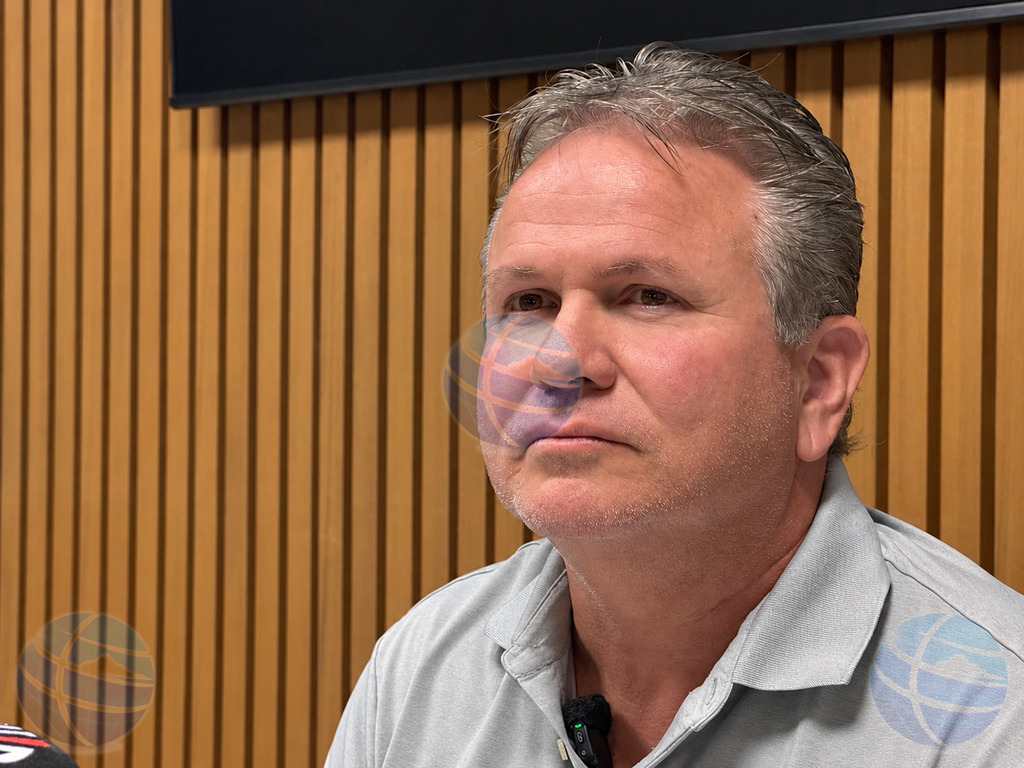
CUA: Lack of enforcement punishes compliant businesses and allows informal market to grow
ORANJESTAD — Frans Ponson, president of Comerciantenan Uni di Aruba (CUA), is strongly criticizing what he describes as a lack of enforcement in Aruba, particularly when it comes to the informal market. According to Ponson, businesses that are registered, pay taxes and comply with regulations are being placed at a disadvantage compared with operators working outside the formal system.
“How am I supposed to compete with people in my own sector who are not registered with the tax authorities, do not pay taxes and do not pay VBO?” Ponson said, describing a question CUA members regularly bring to the association.
According to Ponson, frustration is growing because businesses file complaints and report suspected violations, but often see little follow-up. He said some entrepreneurs ask him what they are supposed to do when competitors can offer lower prices precisely because they do not carry the same tax and regulatory obligations.
“What am I supposed to tell a business owner who is doing everything legally? Close your business or become illegal too?” Ponson asked.
He argues that on an island as small as Aruba, it should be possible to organize more effective inspection and enforcement. In his view, authorities often focus on businesses that are already registered and paying, while part of the informal market continues operating with insufficient oversight.
Ponson also criticized what he sees as a system that can treat poor payers more favorably than those who comply. He questioned why someone who allows tax debt to accumulate for years may later negotiate a settlement, while businesses that pay on time receive no comparable advantage.
“We have to change the way we think. The person who complies should receive the benefit, not the one who does not comply,” he said.
The CUA president extended his criticism to permits and other regulations. According to Ponson, some activities continue without permits, while entrepreneurs trying to follow the legal process can find themselves restricted precisely because they applied for authorization and did not receive it.
For Ponson, Aruba does not necessarily need more laws if existing laws are not enforced. “Stop introducing new laws for four years and enforce what we already have. I think we would have a better Aruba,” he said.
He said the same lack of enforcement can be seen in several other areas, ranging from business regulations and employee pensions to permits, disabled parking spaces and dog-related legislation.
CUA is calling on the government to strengthen inspection and enforcement so that businesses that meet their obligations can compete on a fairer basis with those operating outside the formal system.